
Preparing for gastroscopy: fasting, medicines, sedation and transport
A detailed planning guide for upper endoscopy, including questions to resolve before the appointment and common reasons to contact the unit.
Read your instructions before the preparation day
Gastroscopy preparation begins with the appointment instructions, not on arrival at the hospital. Check the date, arrival time, location and any planned sedation. The time you are asked to arrive may be earlier than the actual examination because consent, safety checks and preparation happen first.
Read the fasting and medication directions early enough to clarify them. If the letter is incomplete or differs from advice from another clinician, contact the endoscopy unit. Do not choose whichever version is easier to follow. Preparation is designed around the planned test and your medical situation, so a general online rule should not override the unit's specific instructions.
Why fasting matters
Food or fluid in the stomach can interfere with the examination and increase the risk of material entering the airway. Instructions may give different stop times for solid food and permitted clear fluids. Follow the actual schedule provided, including any changes made for your health conditions or the planned procedure.
If you eat or drink outside the instructions, tell the team honestly. They will decide whether the test can proceed safely or needs to be delayed. Do not hide the problem because you have travelled or taken time off. Also do not fast for much longer than instructed in the belief that it is always safer; people with diabetes and other conditions may need a carefully coordinated plan.
Bring a complete medicine list
Include prescriptions, over-the-counter medicines, supplements and details of injections, not just tablets. Blood thinners, diabetes treatment and medicines that affect stomach emptying can require individual instructions. The team also needs to know about allergies, previous sedation problems and relevant heart or lung disease.
Do not stop or change a prescribed medicine on your own. Ask which doses to take on the day, which may need adjustment and when normal treatment resumes afterwards. If the test is intended to assess a condition affected by acid-suppressing medicine, the clinician may give specific directions about it. The reason for the test determines the plan; not every gastroscopy uses the same medication instructions.
Understand the comfort options
Some people have throat-numbing spray alone; others receive intravenous sedation, with or without throat spray. Sedation commonly makes a person relaxed and sleepy but is not necessarily the same as general anaesthesia. Discuss anxiety, previous difficulties and health conditions before the day so the team can explain suitable options.
Tell the clinician about dentures, loose teeth or significant dental work. During the examination, a mouth guard may be used and the team will guide you through the process. Ask how to signal discomfort and whether the procedure can be paused. Understanding what is planned often makes the experience easier to prepare for than assuming you will be fully unconscious.
Arrange the period after the test
If sedation is planned, arrange the escort and supervision requested by the unit. Do not plan to drive yourself home. For at least the advised period—commonly 24 hours after sedation—driving, alcohol, machinery, work and important decisions may be restricted. Feeling awake is not reliable evidence that judgement and coordination have recovered.
Think about childcare, caring responsibilities and getting home as well as transport to the appointment. If you cannot meet the arrangements, call before the test rather than arriving without the required support. With throat spray alone, instructions may be different, but you still need to wait until swallowing is safe before eating or drinking as directed.
What to confirm before leaving home
Bring identification and any documents requested, the medication list and relevant previous endoscopy or investigation reports. Wear comfortable clothing and allow more time than the camera examination itself: a brief procedure can still involve several hours at the facility. Ask the unit about personal items rather than assuming storage or an escort waiting area is available.
Contact the team if you become unwell, cannot follow the instructions or have an unresolved medicine question. After the procedure, check the findings, samples taken, warning signs and results plan before leaving. Preparation is successful when you can arrive safely, complete the intended examination and manage the recovery period—not merely when you have stopped eating on time.
Need this assessed? Read the full treatment page for upper gi endoscopy, or book an appointment at Dynamic Surgical Hospital, Ahmedabad.
Further reading
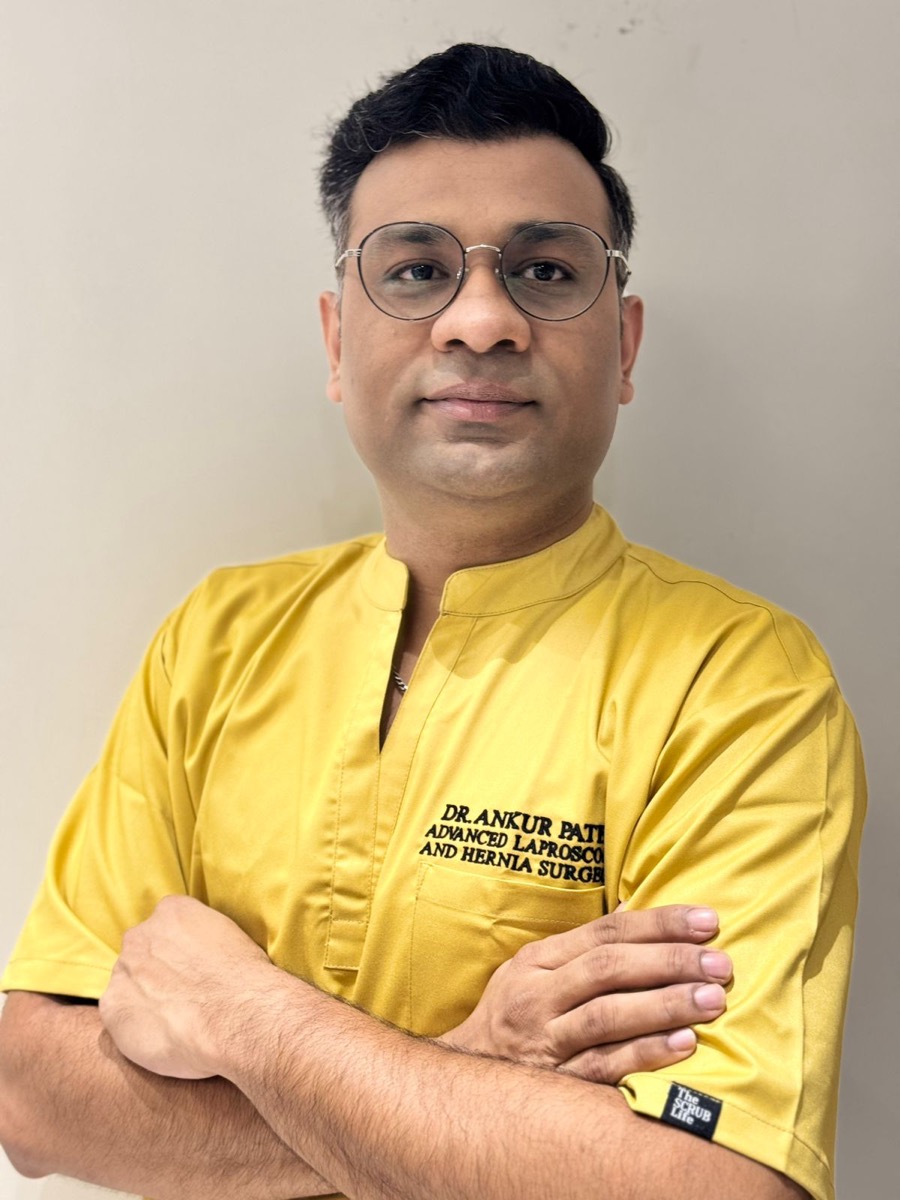
Dr. Ankur Patel
MBBS, MS (General Surgery), FMAS, FALS, DIPMAS, FACRSI
Dr. Ankur Patel is an advanced laparoscopic and robotic surgeon practising in Ahmedabad, with 15+ years of experience in minimally invasive and complex abdominal surgery. His work centres on hernia repair, gallbladder and appendix surgery, laser proctology and gastrointestinal procedures performed through keyhole techniques that shorten hospital stays and speed up recovery.
Read full profile →Medical disclaimer: This article is general patient education and is not a substitute for individual medical advice. Symptoms that seem similar can have very different causes, and only an examination can establish what is actually going on in your case. Please consult a qualified doctor and discuss your symptoms to better understand your condition and the right next steps for you. If you may be having a medical emergency, go to the nearest hospital.