
Colonoscopy preparation: diet, bowel cleansing, medicines and safety
Plan a safe bowel-preparation day and understand what to do if you cannot finish the regimen or feel unwell.
Preparation affects what the test can find
Colonoscopy works best when the bowel lining can be clearly inspected. Stool remaining in the colon can hide abnormalities or make parts of the examination difficult to complete. Good preparation is therefore part of the investigation itself, not merely an administrative requirement before the camera test.
Read the instructions as soon as you receive them. Confirm when dietary changes start, when each prescribed preparation dose is due and when you must stop drinking before the appointment. Arrival time and procedure time may differ. If any of these details are missing, contact the unit instead of trying to build a schedule from several online sources.
Follow the prescribed diet and fluid instructions
The unit may advise a temporary change in food before the bowel-cleansing medicine. Follow its permitted-food and fluid guidance because different regimens use different schedules. Do not assume that eating less than usual is equivalent to following the preparation or that fasting for an unnecessarily long period improves the examination.
Hydration instructions are particularly important while the bowel is being emptied. People with heart or kidney disease may need a specific plan rather than generic advice to drink freely. Ask which fluids are allowed and whether you have a restriction. The preparation should be suitable for your health, and you should not substitute a different laxative or add extra doses without approval from the treating team.
Resolve medication questions before the day
Provide a complete medicine list, including blood thinners, diabetes medicines, supplements and treatments that affect bowel habits. The team needs to decide which medicines continue and which require adjustment. Do not stop anticoagulants or other important treatment yourself because a biopsy might be taken.
Diabetes management deserves a clear plan because dietary changes and bowel preparation can alter the usual routine. Ask what to take, what to monitor and when ordinary doses resume. If different clinicians have given conflicting instructions, have them clarified before starting. An unresolved medicine question can be more important than perfect adherence to a generic preparation leaflet.
Make the cleansing period manageable
Plan easy access to a toilet, privacy and the time needed to follow the schedule. Avoid work or travel commitments that make it impossible to take the preparation as directed. Keep the endoscopy unit's contact details available. If you have previously had poor preparation, severe constipation or difficulty tolerating the product, tell the team in advance.
Do not rely on bowel movements alone to decide that you can skip the remaining prescribed preparation. If you are unsure whether to continue, ask. The regimen is designed to clear the intended bowel segment, and appearance alone does not reliably replace the instructions. Equally, do not take extra product because you feel anxious that the test may be cancelled.
What if you vomit or cannot finish?
Contact the unit if persistent nausea, vomiting or another problem prevents completion. The team may need to change the plan or reschedule safely. Tell them what was taken and when, how much could be kept down and what symptoms developed. Honest information is more useful than arriving and hoping the preparation will be adequate.
Severe abdominal pain, fainting, marked weakness or feeling seriously unwell needs urgent medical advice. Do not keep forcing preparation in the face of significant deterioration without assessment. A test appointment is not a reason to ignore an acute problem. Patients with medical conditions that increase dehydration or electrolyte risk should follow their individual safety instructions particularly closely.
Plan for the examination and the journey home
Bring requested documents, the medication list and relevant previous reports. If sedation is planned, arrange the required escort and supervision. Restrictions commonly continue for 24 hours after sedation, including driving, alcohol, machinery, work and important decisions. The preparation day and the recovery period may therefore require separate arrangements.
After the test, confirm when to resume food, fluids and any temporarily adjusted medicine, particularly if a polyp was removed. Ask who will communicate pathology results and whether the preparation was adequate. If a repeat examination is advised because the view was poor, discuss how the next preparation can be improved rather than simply repeating a regimen that was difficult to complete.
Need this assessed? Read the full treatment page for lower gi endoscopy, or book an appointment at Dynamic Surgical Hospital, Ahmedabad.
Further reading
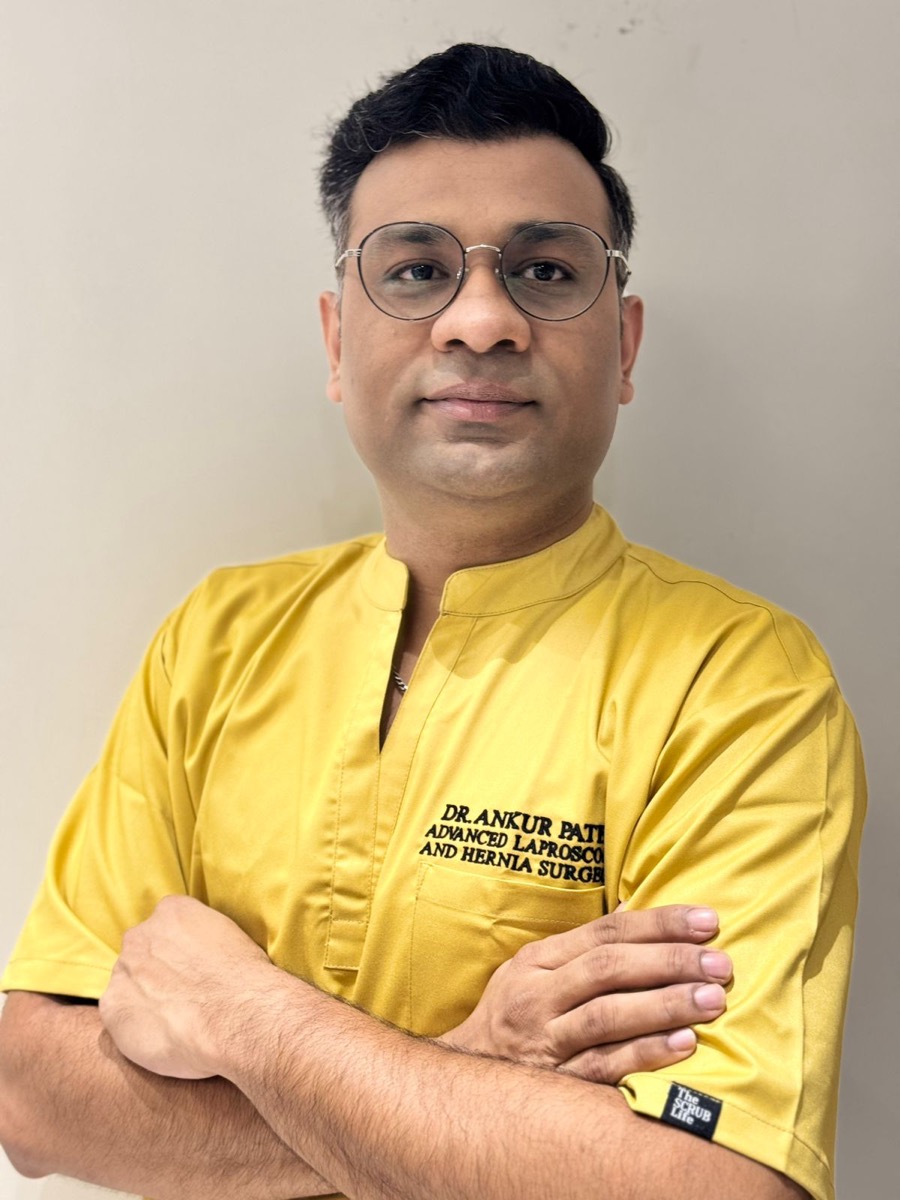
Dr. Ankur Patel
MBBS, MS (General Surgery), FMAS, FALS, DIPMAS, FACRSI
Dr. Ankur Patel is an advanced laparoscopic and robotic surgeon practising in Ahmedabad, with 15+ years of experience in minimally invasive and complex abdominal surgery. His work centres on hernia repair, gallbladder and appendix surgery, laser proctology and gastrointestinal procedures performed through keyhole techniques that shorten hospital stays and speed up recovery.
Read full profile →Medical disclaimer: This article is general patient education and is not a substitute for individual medical advice. Symptoms that seem similar can have very different causes, and only an examination can establish what is actually going on in your case. Please consult a qualified doctor and discuss your symptoms to better understand your condition and the right next steps for you. If you may be having a medical emergency, go to the nearest hospital.